

Products
Shot cleaning system
Mechanical heating surface cleaning for vertical flue gas passes during boiler operation. We design and manufacture your shot cleaning system to suit your boiler project and support its integration into the PLC and control system.
- For vertical flue gas passes
- Cleaning during operation
- No steam or compressed air as cleaning medium
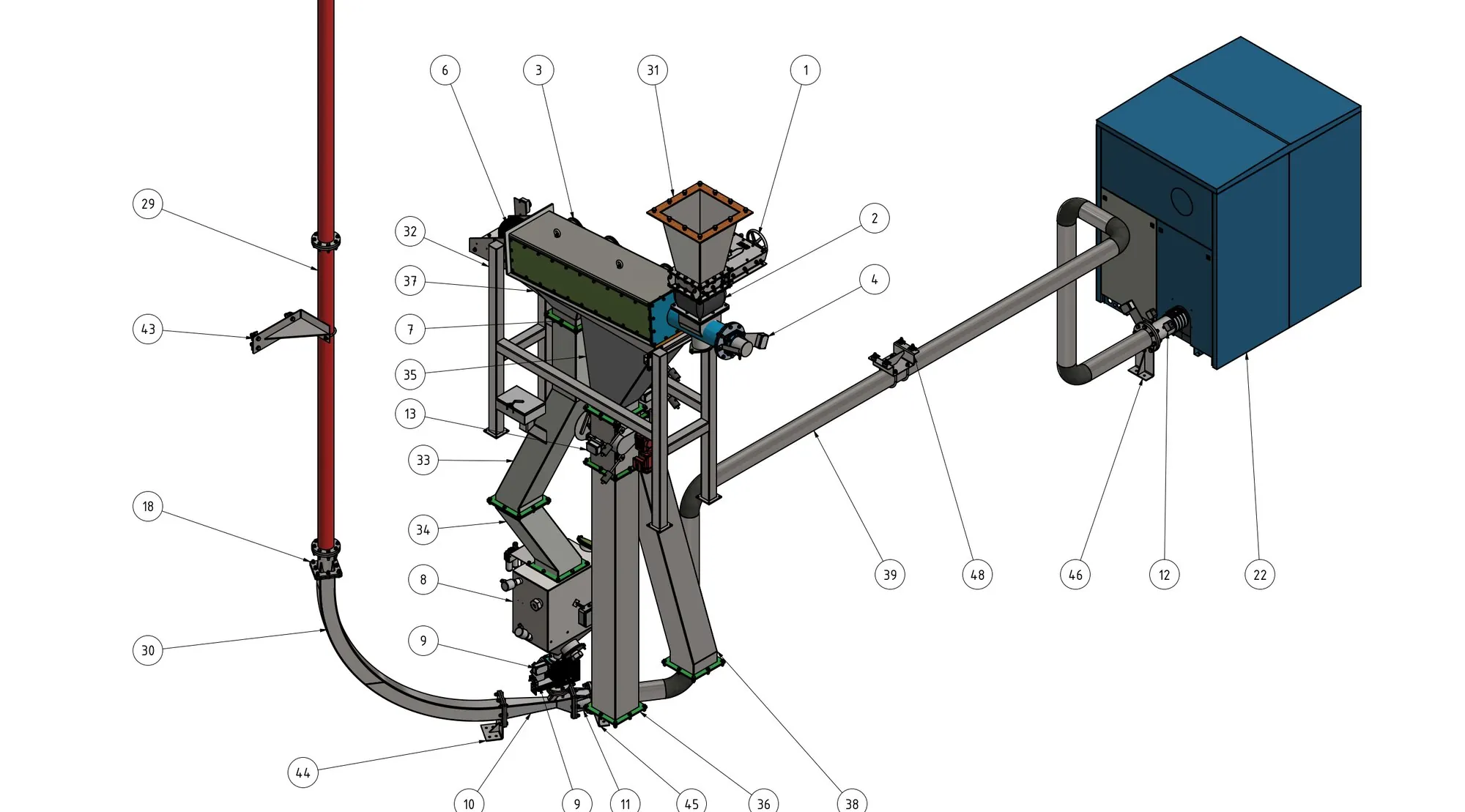
How the shot cleaning system works
The animation shows the shot circulation and the interaction of the main assemblies.
A blower conveys the balls to a point above the heating surfaces. From there they fall through the tube bundles and mechanically remove deposits. Below the boiler pass, a sizing drum separates the balls from ash and detached deposits. The balls are then returned to the cleaning cycle.
Applications and suitability criteria
Shot cleaning systems are an option for vertical flue gas passes with horizontally arranged bare tube bundles. Typical cleaning areas are superheater and economizer heating surfaces. We check whether the process suits your project based on the heating surface arrangement and the operating conditions.
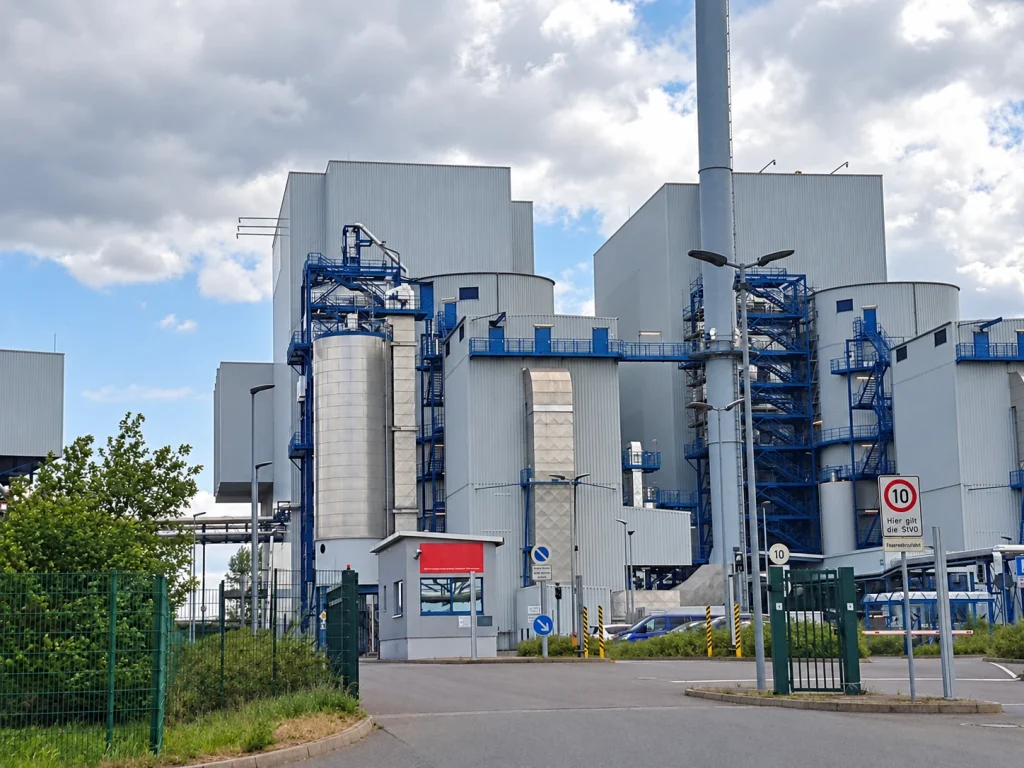
Typical applications
- Biomass, waste and refuse-derived fuel (RDF) combustion plants
- Sewage sludge incineration plants
- Thermal oil systems
- Waste heat boilers downstream of glass melting furnaces
Where the process is of particular interest
- Vertical passes with larger tube bundle heights
- Projects with limited availability of process steam for cleaning
- Installation situations without lateral clearance for retractable blower lances
Limits of the process
The shot cleaning principle is not suitable for empty boiler passes, horizontal boiler passes and finned tubes. In very small boiler passes, the basic effort required for conveying, distribution and shot processing is often out of economic proportion to the cleaning task.
If suitability is unclear, we also examine other methods from our range.
Key technical data
The design depends on the boiler and the project requirements. The following data apply for an initial assessment:
- Cleaning principle
- Mechanical cleaning by falling balls in circulation
- Heating surfaces
- Horizontally arranged bare tube bundles in vertical flue gas passes
- Balls
- Soft iron balls with a diameter of up to 8 mm, matched to the cleaning task
- Conveying height
- Up to approx. 50 m with the current design; greater conveying heights following individual calculation and adaptation
- Cleaning operation
- Adjustable shot quantity and cleaning intervals (from 24/7 continuous operation down to a few hours per month)
- Conveying blower
- Sound-insulated as standard; operating mode matched to the plant
- Outdoor installation
- Designed for outdoor installation
- Control
- Optional control cabinet with Siemens PLC, Siemens HMI and installed software; alternatively integration into the customer's PLC or control system
Materials for components in contact with flue gas
The following temperature ranges are used to select materials for components inside the boiler or boiler pass that come into contact with flue gas. These include, for example, shot baffle boxes and fall pipes. They do not describe a permissible temperature for the shot cleaning system as a whole.
| Material | Temperature range for selection |
|---|---|
| 1.5415 | 0 to 450 °C |
| 1.7335 | 451 to 550 °C |
| 1.4713 | 551 to 750 °C |
| 1.4841 | 751 to 1,000 °C |
The specific choice of material is matched to the temperature conditions and requirements of your project.
What the shot cleaning system offers your project
-
Cleaning during operation
The regular cleaning cycles can be carried out while the boiler is in operation. A boiler shutdown is not required for this.
-
No process steam for cleaning
The deposits are loosened mechanically by the balls. A blower generates the conveying air required to transport the balls.
-
No lateral withdrawal space required for soot blower lances
The assemblies are arranged above and below the heating surfaces and along the conveying pipe.
-
Adjustable cleaning cycles
The amount of shot and the cleaning intervals are matched to the cleaning task and optimized during operation.
-
Shot circulation
The balls are reused in a closed circuit. A conveying blower transports them upward through the conveying pipe and distributes them into the boiler pass above the heating surfaces. From there they trickle through the tube bundles and loosen the deposits. They are collected in the hopper at the bottom, a sizing drum separates them from ash and detached deposits, and they return to the circuit. Balls that are worn after prolonged use are screened out via the ash discharge.
Designed and manufactured for your boiler project
Each shot cleaning system is individually designed and manufactured. We adapt the assemblies, pipe routing and connections to the conditions of your boiler project. This applies to new-build projects as well as to integration into existing plants.
The design focuses on a robust construction and accessibility for maintenance and wear checks.
- Short coordination paths for design adjustments.
- Experienced contacts from design to commissioning.
- Proven components and well-matched interfaces.
- Support with implementation in the PLC or control system.
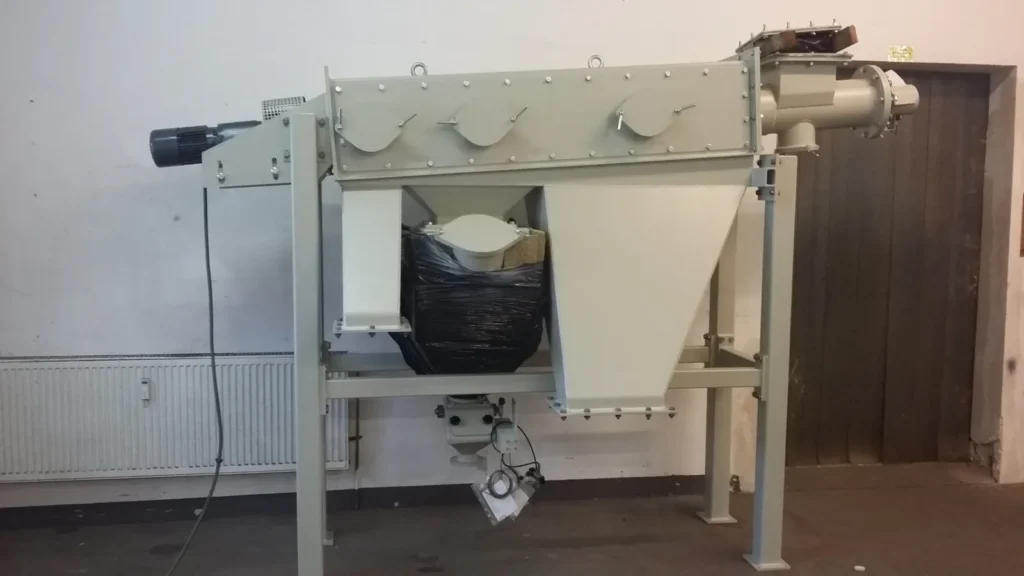
Design to suit your requirements
The plant concept and scope of supply are tailored to your project. Possible adaptations concern in particular:
- System layout: Arrangement of the assemblies and piping, distribution across several cleaning areas and project-specific redundant designs.
- Materials: Selection of the components in contact with flue gas according to the temperature conditions in the boiler pass.
- Sensors and equipment: Consideration of project-specific sensors, equipment and color specifications.
- Electrical engineering: Delivery with or without control cabinet, with a coordinated scope of cabling and control integration.
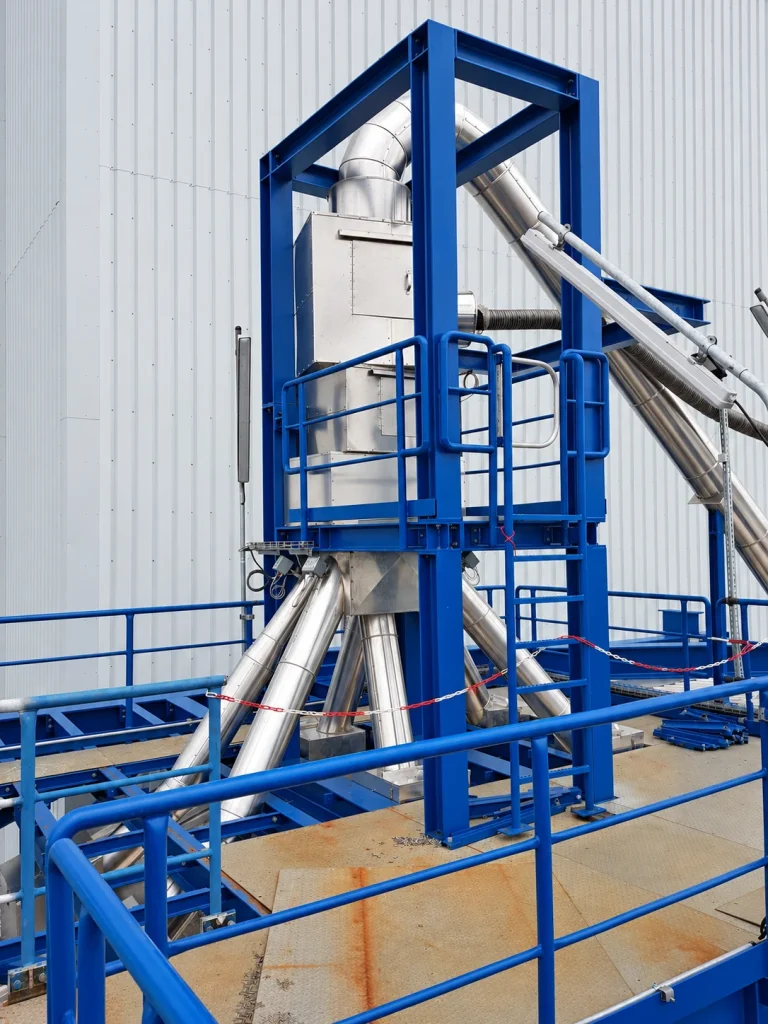
Control cabinet and control system from SZKS
Optional control unit (“Black Box”)
On request, we supply a control cabinet as a complete control unit for your shot cleaning system. The Siemens PLC, Siemens HMI and control software are already installed. Before delivery, the software is tested on a simulated shot cleaning system, which significantly reduces commissioning time. The interfaces to the higher-level control system are tailored to your project.
Support for customer-side controls
If you implement the control system yourself, we support your programmers with a functional description, coordinated interfaces and technical consultation. Experienced staff accompany the commissioning.
Planning a shot cleaning system for your boiler project?
Discuss your new-build project or a planned retrofit with us. Information on the boiler type, the heating surface arrangement and the operating conditions helps with an initial assessment. You are welcome to bring or send any existing drawings.
Talk to us directly
+49 5341 9017412Frequently asked questions about the shot cleaning system
Applications and suitability
Which boiler areas are shot cleaning systems suitable for?
Shot cleaning systems are suitable for vertical flue gas passes with horizontally arranged tube bundles. Typical areas of application are superheater and economizer heating surfaces.
Which plants are shot cleaning systems suitable for?
Typical applications are biomass, waste, RDF and sewage sludge incineration plants. Thermal oil plants and waste heat boilers downstream of glass melting furnaces are also an option. The decisive factors are the heating surface arrangement and the respective operating conditions.
Where are shot cleaning systems not suitable?
This version of shot cleaning is not suitable for empty boiler passes, horizontal boiler passes or finned tubes. In very small boiler passes, its use is usually not economical, as conveying, shot distribution and processing require a certain basic effort.
Can staggered tubes also be cleaned?
Yes. Shot cleaning systems can also be used with non-aligned tube arrangements. The shot distribution is adapted to the geometry of the tube bundles.
Operation, equipment and control
Does cleaning take place during boiler operation?
Yes. The heating surfaces are cleaned during boiler operation. No boiler shutdown is required for the regular cleaning cycles.
Which balls are used?
Soft iron balls with a diameter of up to 8 mm are used. The appropriate size and design are matched to the respective cleaning task.
Are the balls reused?
Yes. Once the balls have passed through the tube bundles, a sizing drum separates them from ash and detached deposits. The balls are then returned to the cleaning cycle.
Does a shot cleaning system need steam or compressed air?
Cleaning is mechanical and requires neither process steam nor compressed air as a cleaning medium. A blower generates the conveying air required to transport the balls upward.
How can the energy demand of the conveying blower be reduced?
With suitable control, for example via a frequency converter, the blower output can be adjusted to the actual conveying demand. Depending on the type of plant, blower operation can be limited to the cleaning phases. To avoid condensation, on the other hand, continuous operation may be necessary. The mode of operation is adapted to the respective plant.
How much space does a shot cleaning system need?
No lateral clearance for retracting blow lances is required. Space is needed in particular for the conveying pipe, the shot distribution above the heating surfaces and the shot processing below the boiler pass. The arrangement is adapted to the local space conditions.
Can shot cleaning systems be installed outdoors?
Yes. Insulation and heat tracing are adapted to the installation conditions. Especially at low outside temperatures, condensation and buildup must be prevented from impairing the shot circulation.
Are shot cleaning systems sound-insulated?
The conveying blower is designed with sound insulation as standard. Noise protection requirements are taken into account during plant planning.
How are the cleaning intervals and the amount of shot set?
The basic settings are made during commissioning and optimized during operation. The decisive factors are the fouling behavior, the heat transfer performance and the pressure conditions of the plant. Cleaning durations, pause durations and dosing are adjusted accordingly.
How is shot circulation monitored?
The pressure conditions in the conveying system are monitored. Depending on the design, additional sensors detect the shot flow, the level and temperature in the shot storage tank, and the position and movement of relevant assemblies. These signals make it possible to detect deviations and take them into account in the plant control system.
Why is the shot storage tank heated?
The shot storage tank heating prevents condensation in the storage tank. This counteracts buildup that can impede the dosing and conveying of the balls.
What options are there for control and integration into the plant control system?
We support you with the functional description, the coordination of interfaces and the implementation of software and electrical design. Optionally, we supply a control cabinet with Siemens PLC, Siemens HMI and installed software, whose sequences are tested in advance by simulation. A separate software delivery can be agreed individually. The scope of services is defined in the quote.
Maintenance, operational safety and service
What maintenance work is required?
Regular checks include shot circulation, fill level and possible buildup. In addition, the sizing drum, bearings, conveying pipes, fall pipes and distributors are checked for function and wear. Maintenance intervals depend on the specific design and the operating conditions.
Can shot cleaning systems damage the heating surfaces?
Even shot distribution and the right settings are essential for safe operation. Worn distributors or fall pipes can cause the balls to strike individual spots in a concentrated manner and damage them. Regular wear checks help to prevent this.
Does Salzgitter Kesselservice offer service and spare parts for shot cleaning systems?
Yes. We support you with the servicing, maintenance and optimization of your shot cleaning system and supply suitable spare and wear parts. For a spare parts inquiry, it helps us to have the project number, the part designation, the item number from the parts list and the required quantity.